
RadoNorm
Newsletter No.9
May 2025
Subscribe to RadoNorm Newsletter
RadoNorm Showcase Meeting
- Contribution of RadoNorm to science and society
- Assessment of health risks
- Protection against radon at work and at home
- Radon risk communication
- Environmental protection
- NORM management
- Stakeholder perceptions governing NORM use
- Prospects for radon research
- Prospects for NORM research
RadoNorm Showcase Meeting
The RadoNorm Showcase Meeting, held on 27th March 2025 at the Institute of Natural Sciences in Brussels, highlighted the project’s achievements and the impact of the RadoNorm project in advancing research and managing risks associated with radon and naturally occurring radioactive materials (NORM). The event brought together scientists, policymakers, EU officials, and stakeholders from across Europe to examine scientific results, technological innovations, and societal engagement activities developed during the project. Through presentations and panel discussions, the meeting showcased progress in understanding radon-related health effects, improving measurement and mitigation strategies, and enhancing communication and citizen participation. It also served as a platform to identify remaining challenges and to provide concrete recommendations for future research, regulation, and implementation efforts in radiation protection.
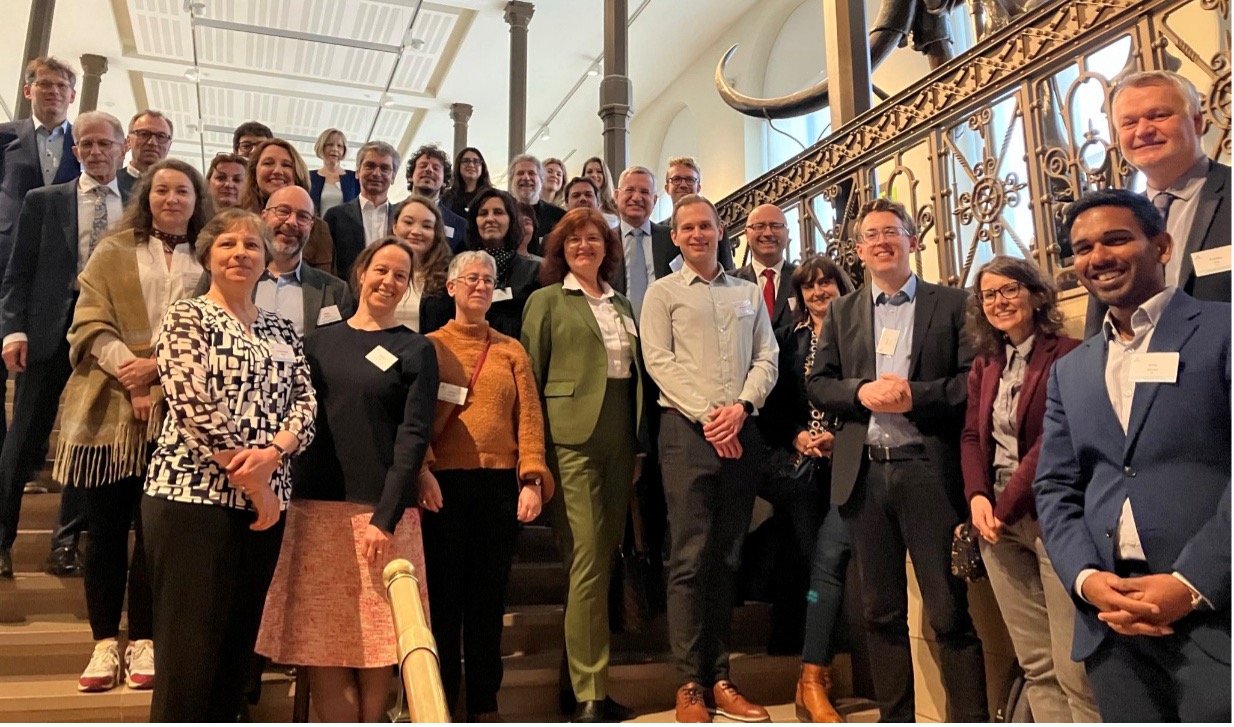
Participants to the RadoNorm Showcase Meeting (more photos)
Among the speakers addressing nearly 40 participants at the RadoNorm Showcase Meeting was the Slovenian Member of the European Parliament, Mr. Vladimir Prebilič, who shared his experiences in raising radon awareness in the Municipality of Kočevje, Slovenia. His contribution was complemented by presentations from other key figures in the field, including Mr. Domenico Rossetti, Deputy Head of Unit for Euratom Research, who presented the European Commission’s Research Actions in Radiation Protection, and Mr. Florian Rauser, Vice President of the Federal Office for Radiation Protection (BfS), who also contributed to the discussions.
The meeting featured three panel discussions and a summary discussion with an outlook on the future. The focus of the main panel discussions was on “health effects and risks”, “exposure and mitigation”, and “risk communication and societal aspects”, highlighting the relevance of RadoNorm’s progress and its impact on radiation research and implementation. These exchanges provided insights into how RadoNorm’s findings could be implemented and what future research areas need to be addressed based on the project’s progress.
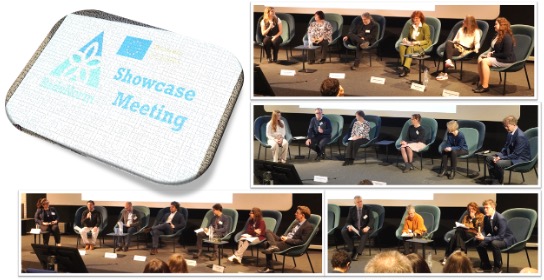
Panels with representatives of EC, platforms and international bodies involved in radiation protection, focussing on radon and NORM
The Showcase Meeting underscored RadoNorm’s significant contributions to radiation protection research and set the stage for its upcoming Final Meeting, held in June 2025 in Budapest, where the latest results will be highlighted, and discussions on sustainable radiation protection for radon and NORM will continue.
Contribution of RadoNorm to science and society
The RadoNorm project has significantly enhanced radiation protection related to radon and NORM. The project’s wide-ranging scientific achievements, particularly under the themes of health effects and risks, exposure and mitigation, and risk communication and societal aspects, are well aligned with the Strategic Research Agendas of key European Radiation Research Platforms (ERRPs), including MELODI, EURADOS, ALLIANCE, and SHARE.
Groundbreaking work was conducted on the health effects of radon exposure, particularly in vulnerable populations such as children and individuals with respiratory conditions. RadoNorm also revealed how smoking alters radon-related dose distribution and cancer risk, and explored new biokinetic models for children and pregnant women. These insights are crucial for improving personalised dosimetry and public health strategies.
In the realm of exposure and mitigation, the project delivered extensive testing and validation of radon measurement technologies and mitigation methods, from residential settings to high-risk workplaces like underground mines. Innovative modelling tools and recommendations were developed for indoor and outdoor radon exposure, gamma radiation, and NORM in building materials and soil. These efforts have advanced the regulatory framework and practical guidelines for radiation protection.
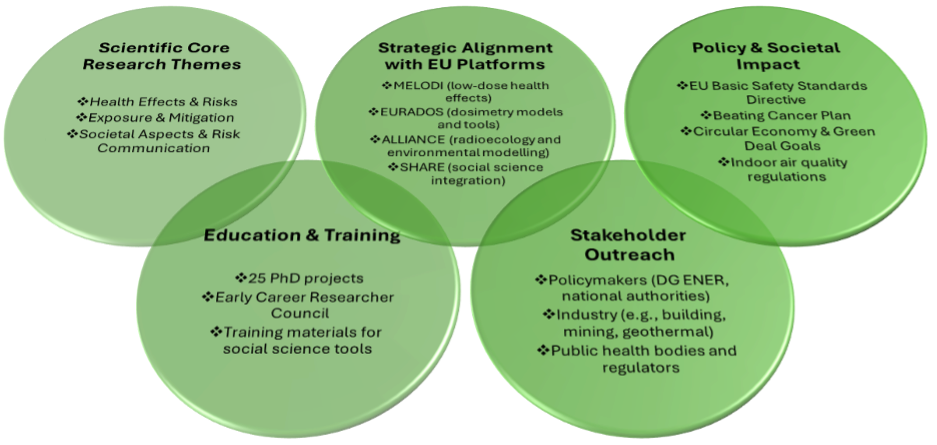
Interplay of themes, platforms and outreach
The societal dimension of radiation protection was also central to RadoNorm. A pan-European survey revealed that simply increasing awareness is not enough to drive action against radon; emotional and social signs play a stronger role. Novel communication strategies, citizen science campaigns, and social science tools were successfully piloted to engage the public and empower local stakeholders in Slovenia and across Europe.
The contributions made during the RadoNorm project not only inform European policies like the Basic Safety Standards Directive but also offer practical tools and strategies for national authorities, industry, and the public. Through its interdisciplinary approach and collaborative research mode, RadoNorm has set a new standard for integrated radiation protection and risk communication in Europe.
Assessment of health risks
Under the RadoNorm project, significant progress has been made in understanding the cancer-related health risks associated with radon exposure. One of the most notable achievements is the identification of a distinct gene mutation fingerprint for radon-induced lung cancer, first observed in rats and now also confirmed in uranium miners. Among the affected genetic pathways, the RTK-RAS pathway emerged as the most commonly altered, underscoring its key role in radon-related carcinogenesis.
To complement these molecular findings, researchers have been developing a predictive model known as the Multi-Stage Clonal Expansion Model. This model is designed to estimate both the number and size of lesions that occur during lung carcinogenesis, particularly in conditions of high radon exposure and varying exposure rates. It provides two crucial temporal indicators: latency time (the period between the emergence of the first surviving cancer cell and clinical detection) and sojourn time (the interval from the appearance of the first premalignant cell to the formation of the first malignant cancer cell).
While the predictive model is still undergoing refinement, particularly in translating findings from animal models to human contexts, its results show promise for enhancing early detection efforts. Specifically, the ability to quantify preneoplastic lesions could inform lung cancer screening programmes in areas with elevated radon exposure. These advances mark a significant step forward in establishing the biological mechanisms of radon-induced lung cancer and open pathways for improved and potentially simplified diagnostic approaches.

The RadoNorm project has made important strides in uncovering how smoking interacts with radon exposure in ways that affect lung cancer risk. Surprisingly, dosimetric modelling revealed that smoking may reduce the dose of radon to the lungs, while simultaneously increasing it to other organs (Honorio da Silva et al. 2023; shortlisted for the Bernard Wheatley Award of the Journal of Radiological Protection). This counterintuitive outcome is likely due to physiological changes in smokers, such as a thicker mucus lining and slower mucus clearance, which might shield the bronchial epithelial cells from alpha radiation. However, these findings need further verification using experimental data, especially in the context of evolving smoking habits like vaping.
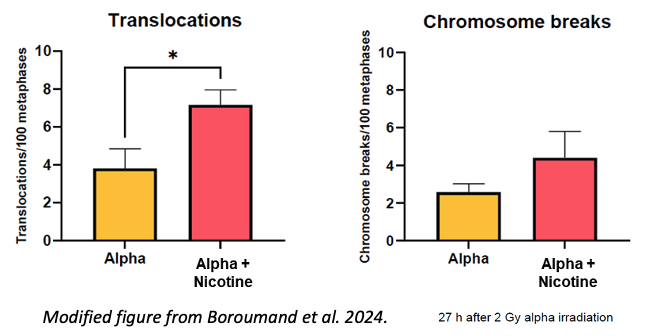
Experimental research also demonstrated that nicotine alters DNA repair processes (Boroumand et al., 2024). In bronchial epithelial cells exposed to alpha radiation, nicotine increases the rate of DNA repair (but potentially in a harmful way). The elevated repair activity is thought to be more error-prone, which can lead to more genetic mutations. These findings are supported by chromosomal analyses showing increased translocations and breaks when nicotine is present alongside alpha particle exposure.
To deepen understanding of particle behaviour in smokers’ lungs, RadoNorm researchers enhanced the Stochastic Lung Model (SLM) to incorporate the effects of coagulation on particle deposition. This improved model allows more accurate simulation of particle interactions and deposition dynamics in both smokers and non-smokers, offering a more precise estimate of lung dosimetry in realistic scenarios. A public version of this model (OpenSLM) is now available at https://slm.ek.hun-ren.hu/.
The advancements in the created knowledge of the impact of smoking and radon on the human organism brings us closer to a mechanistic explanation of how smoking and radon jointly contribute to lung cancer, and they emphasise the need to consider smoking behaviour when assessing radon-related health risks. Future studies should continue to refine these models and investigate the implications for modern smoking trends, including e-cigarettes and vaping.
While the primary health impact of radon exposure remains lung cancer, the RadoNorm project has begun to explore the potential for non-cancer effects and other diseases, though current evidence is still limited. A comprehensive literature review revealed only minor support for associations between radon and diseases beyond lung cancer (Henyoh et al., 2024). However, some links are beginning to emerge.
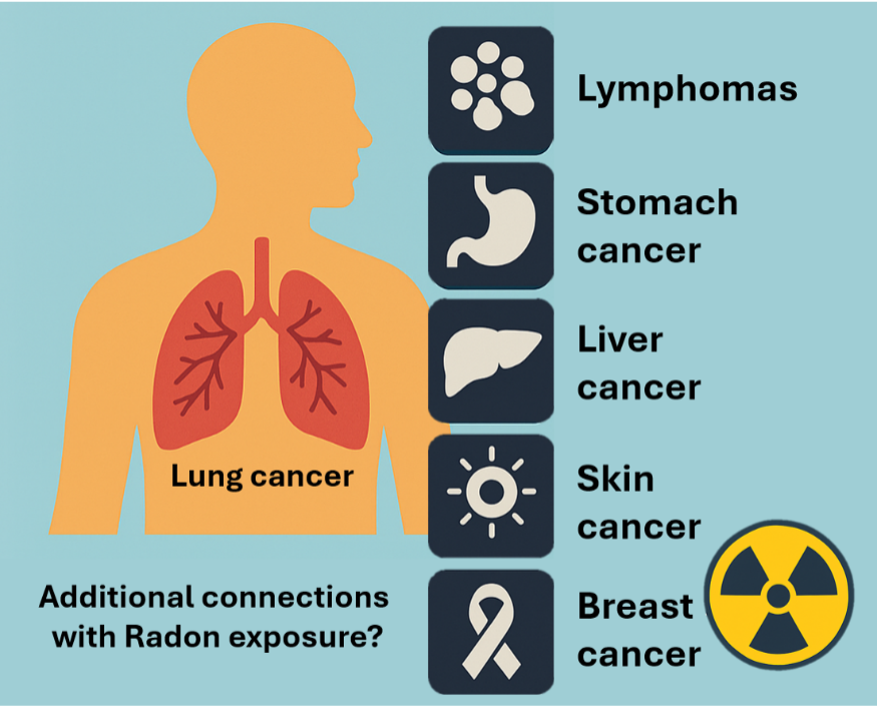
Previous studies (outside of RadoNorm) have yielded notable findings indicating potential associations between radon exposure and specific cancer sites other than lung cancer, including lymphomas, stomach cancer, liver cancer, skin cancer, and breast cancer. Additionally, investigations into the non-cancer effects of radon, particularly on the circulatory system, immune system, metabolism, and epigenetics, have been identified as essential for future studies on the health effects of radon exposure. However, these connections remain speculative and the results from RadoNorm do not directly support these associations. The need for more robust experimental and epidemiological strategies to assess these associations has been strongly emphasised in recent publications.
A particularly novel development is the use of Adverse Outcome Pathways (AOPs) to explore the effects of radiation beyond cancer. One such effort under RadoNorm involved mapping pathways for radiation-induced microcephaly based on existing literature (Jaylet et al., 2022, 2023). This opens up new avenues for investigating developmental and neurological outcomes of radiation exposure, especially in vulnerable populations.
Epidemiological work findings not only expand the scope of radon-related research but also highlight the importance of targeted communication strategies for informing specific at-risk groups, depending on disease type, exposure history, and demographic vulnerabilities.
Ultimately, continued investigation is essential to determine how radon may contribute to a broader range of health outcomes and how this knowledge can inform both risk assessment and public health policy.
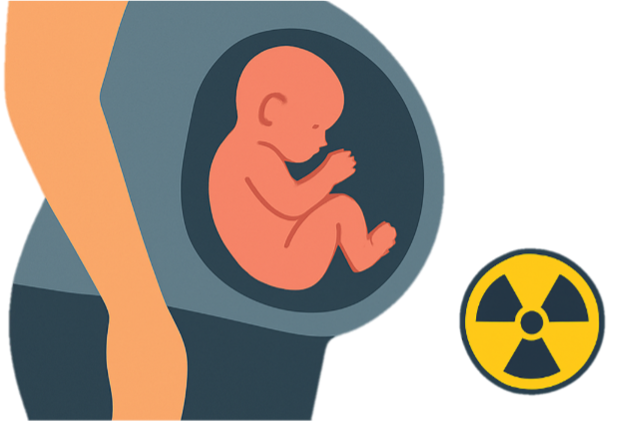
The RadoNorm project has placed special emphasis on assessing the effects of radon exposure in vulnerable populations, particularly children, pregnant women, and individuals with pre-existing lung conditions. This focus has helped to refine dose modelling and guide tailored protection strategies.
Epidemiological studies conducted in Norway revealed a statistically significant association between radon exposure in homes and increased cancer incidence among children. This finding underscores the need for targeted mitigation in domestic environments where children are present. In parallel, lung dosimetry studies have shown that children, due to their smaller airways and thinner mucus layers, absorb higher doses of radon compared to adults when exposed to the same concentration (Deliverable D3.3).
RadoNorm has also developed a biokinetic model for pregnant women, which shows that acute radon exposure results in low doses to foetal tissue, providing early reassurance. However, additional work is ongoing to expand the model to cover radon progeny, which may behave differently in the maternal-foetal system.
Further, lung dosimetry modelling has revealed that individuals with asthma and chronic obstructive pulmonary disease (COPD) receive higher absorbed lung doses from the same radon concentration than healthy individuals. This is due to disease-related changes in airway morphology and mucus dynamics, which increase particle deposition (Deliverable D3.1).
The findings support the urgent need for personalised dose assessment and protective measures that account for physiological variability across different population groups. RadoNorm’s research contributes essential knowledge for designing public health strategies that prioritise children, pregnant women, and people with respiratory diseases, ensuring that radiation protection is equitable and evidence-based.
Protection against radon at work and at home
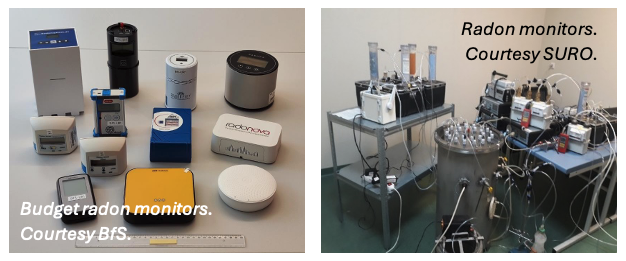
RadoNorm’s work on measuring radon and thoron has significantly contributed to improving radiation protection strategies at home and in workplaces. A key aspect of this effort has been the evaluation of both budget-friendly (Beck et al., 2024; Deliverable D2.4) and research-grade continuous radon monitors (Deliverable D5.9), with emphasis on the need for standardisation and quality assurance/quality control (QA/QC) procedures. These are essential to ensure data reliability and to prevent the common “garbage in, garbage out” (GIGO) pitfalls in follow-up risk management and mitigation measures.
One major advancement involves the independent assessment of radon entry rates and air exchange rates using tracer gas methods. These approaches help refine the design of mitigation systems and enable the implementation of highly efficient, targeted corrective actions. They are especially valuable in identifying problem areas within buildings and optimising ventilation and sealing strategies.
In contrast to radon (Rn-222), thoron (Rn-220) presents unique challenges for measurement and dose assessment. Due to its much shorter half-life and high spatial variability, thoron concentration can vary greatly depending on the distance from its source. Therefore, conventional radon monitoring methods and assumptions, such as using a single measurement point or relying on equilibrium factor estimates, do not hold for thoron.
For effective thoron risk assessment, RadoNorm recommends measuring its decay products (which have longer half-lives) rather than thoron gas itself when estimating dose. However, if the goal is to locate thoron sources within an indoor space, direct thoron measurements at multiple distances from suspected sources are appropriate.
RadoNorm has made significant contributions to the field of radon measurement by enhancing the quality and reliability of monitoring practices. This includes the improvement of commercially available radon detectors, ensuring more accessible and precise tools for both professionals and the public. Additionally, the project has enabled more accurate and differentiated dose assessments for both radon and thoron, accounting for their distinct behaviours and risks. Equally important, RadoNorm has provided clearer guidance to the public and regulatory authorities, helping them to better interpret measurement results and implement appropriate responses.
Together, this work enhances the reliability of exposure assessments and supports the broader goal of reducing health risks through smarter, data-driven protective measures.
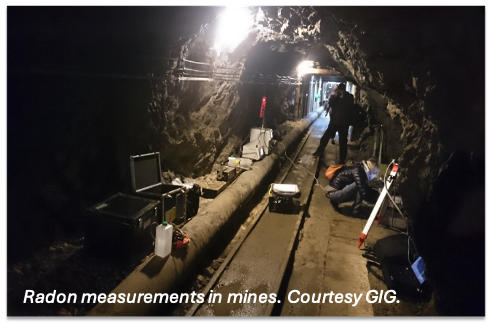
The RadoNorm project has strengthened protection measures for underground workplaces, such as mines, where radon and thoron exposure present unique challenges. To improve risk estimation and control in the underground environments, simulation tools like Ventgraph and RadoThor were used to model gas distribution and variability in confined spaces (Deliverable D2.3). These tools enable scenario testing and ventilation planning under dynamic conditions.
Measurements in Polish mines revealed that the equilibrium factor (F), the ratio between radon and its progeny, varies significantly across sites, making dose estimation based on standard values unreliable. To address this, RadoNorm recommends that dose assessments be based on direct measurements of potential alpha energy concentration rather than assumed equilibrium factors, ensuring greater accuracy and site specificity (Grygier & Skubacz 2024).
Further, the project developed the INTDOSKIT toolkit, designed to calculate dose coefficients for inhaled radionuclides. This tool allows for uncertainty and sensitivity analyses through Monte Carlo simulations, helping to assess intake scenarios with improved precision (Makumbi et al., 2024).
Crucially, RadoNorm’s findings underscore the importance of ventilation and drilling techniques. Simulations show that dry drilling under poor ventilation results in higher radiation doses than wet drilling with good ventilation, primarily due to increased airborne progeny particles. This has significant biological implications, as it could contribute to elevated lung cancer risk in poorly ventilated settings.
In response, new recommendations have been published for radon measurement protocols in underground workplaces. The recommendations include tailored approaches for varying mine conditions and reinforce the need for high-quality, environment-specific monitoring to support occupational health standards (Skubacz et al. 2023, Deliverable D2.7, Deliverable D5.9).
The advancements in radon-related underground knowledge offer a robust foundation for regulatory improvements, protective equipment guidelines, and worker safety training, ensuring radon and thoron risks are properly managed in some of the most challenging exposure environments.
RadoNorm’s research on radon in buildings has contributed valuable insights and practical tools for predicting and mitigating indoor radon exposure.
One of the core developments is a model for radon transport from soil into indoor air, which has proven feasible in simulating radon behaviour in various building configurations (Deliverable D2.8). This helps identify structures most at risk and supports smarter planning and remediation.
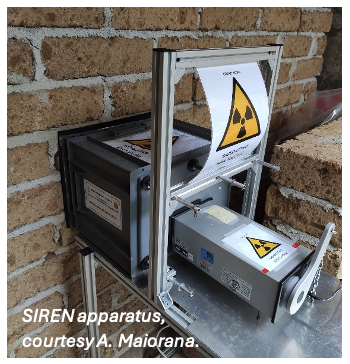
To improve accuracy in assessing radon sources within construction materials, the project introduced direct measurement techniques using the SIREN apparatus. The direct measurements were found to be more reliable than those derived from existing predictive models, marking a step forward in material-specific radon risk assessment (PhD Thesis A. Maiorana).
Importantly, RadoNorm examined the efficacy of radon-proofing methods, emphasising that not only the membrane material but also joints and sealing methods play a crucial role. For example, sealing tapes were found to be ineffective, whereas torched bitumen membranes and welded polymer joints offered excellent radon resistance (Jiranek et al., 2024). Among the tested materials, HDPE (high-density polyethylene) stood out as the most promising membrane, combining performance with low environmental impact (Felicioni et al., 2023).
The role of air handling systems (HVAC) as a radon mitigation strategy was also investigated. While HVAC systems can reduce indoor radon concentrations, they may interfere with energy-saving goals and indoor air quality management, presenting a complex trade-off between radiation protection and environmental sustainability.
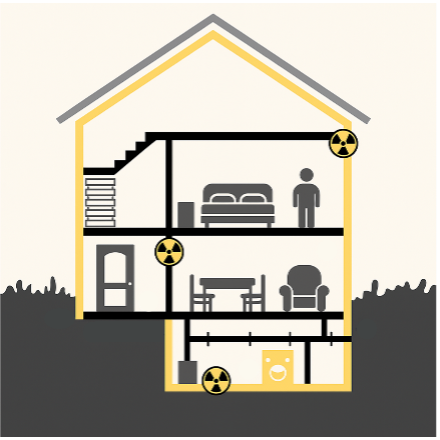
The advancements in knowledge about radon in buildings support more robust building standards, enhance measurement reliability, and guide sustainable mitigation practices, ultimately contributing to healthier indoor environments across Europe.
Radon risk communication
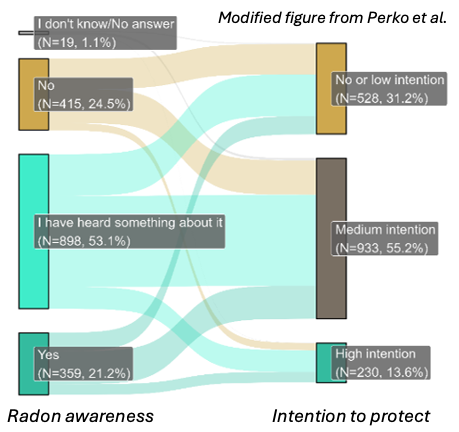
The RadoNorm project has placed a strong focus on understanding and improving radon risk communication, particularly through the lens of public perception and behavioural psychology. While general awareness of radon exists across Europe, the data show that awareness alone has a weak influence on whether individuals actually test for or mitigate radon in their homes. This gap between knowledge and action was explored in depth using data from the European Radon Behavioural Atlas, which mapped attitudes across 16 countries (DOI:10.20348/STOREDB/1179/1274).
Through this research, several key psychological determinants were identified as the strongest predictors of protective behaviour (Perko et al., 2024):
- Subjective norms: People’s belief that important individuals or social groups expect them to act (e.g., test for radon) significantly influences behaviour.
- Descriptive norms: Individuals are more likely to act when they perceive radon testing as a common behaviour in their community or peer group.
- Severity: The perceived seriousness of health outcomes caused by radon exposure plays a major role in shaping motivation to act.
- Susceptibility: People who perceive themselves or their families as vulnerable to radon-related health effects are more likely to take preventative steps.
- Affective response: Emotional reactions, such as fear, anxiety, or concern, triggered by radon-related information, can catalyse decisions to test or remediate.
To support tailored communication strategies, RadoNorm also developed a social science toolbox composed of qualitative and quantitative methods. This resource helps authorities assess public perception more effectively and design targeted interventions (DOI:10.20348/STOREDB/1180).
Ultimately, the risk perception findings suggest that effective radon communication must go beyond raising awareness. It must leverage social norms, emotional engagement, and perceived vulnerability to motivate action, especially in areas where radon exposure is high but public response remains low.
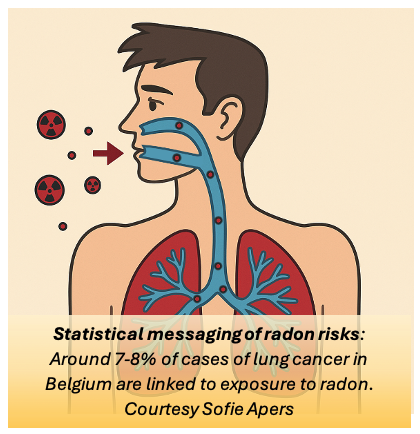
RadoNorm’s findings on radon risk communication highlight the importance of emotionally engaging, personally relevant approaches over purely statistical messaging. Research shows that narrative communication, such as sharing real-life stories of individuals affected by radon-related lung cancer, leads to significantly greater intention to test, seek information, and take mitigation measures compared to abstract statistics. For example, while people may read that 7–8% of lung cancer cases in Belgium are attributable to radon, it is the personal story of a young, terminally ill patient like Nathalie Dubois that truly motivates action.
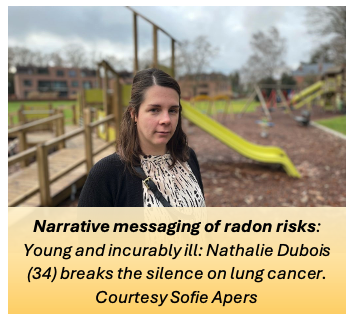
In addition to narrative, other emotional communication strategies, such as the use of humour and social norm nudges, can enhance message effectiveness. However, these methods are not universally applicable and must be tailored to national or cultural contexts to ensure resonance with the target audience.
RadoNorm also emphasises the need to address the dual reality of radon’s identity. On one hand, radon is a known health hazard and a cause of lung cancer; on the other hand, it is used in radon therapy for certain medical conditions. Communication strategies must transparently address both the risks and benefits associated with radon. This involves clearly presenting each perspective, providing contextual explanations to help audiences understand the dual nature of radon, and actively engaging trusted stakeholders, such as healthcare professionals, to ensure messages are credible and effectively delivered (Deliverable D6.14).
The project encourages risk communicators and public authorities to adopt evidence-based, psychologically informed practices when designing campaigns. These should prioritise engagement, personalisation, and cultural fit to truly empower people to make informed decisions about radon testing and mitigation.
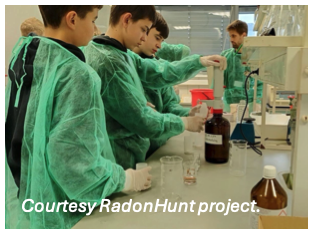
RadoNorm has successfully demonstrated the potential of citizen science to contribute meaningfully to radon risk assessment and mitigation at the community level (Hoedoafia et al., 2024). Through ten distinct projects across Europe, citizens, ranging from high school students to senior participants, were actively involved in measuring radon levels and interpreting results using a variety of detectors and techniques.
Participants received hands-on training not only in technical measurement procedures but also in applying them across diverse contexts, including homes, schools, and even natural settings like caves. These projects significantly empowered individuals and communities by enhancing their understanding of radon risks and engaging them directly in the monitoring process.
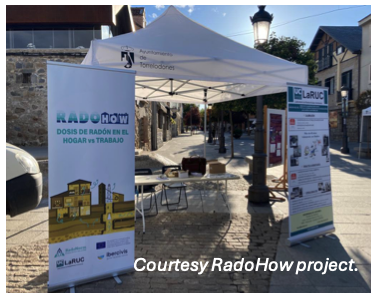
The initiative’s impact was acknowledged through an “honorary mention” at the EU Prize for Citizen Science, recognising its innovative approach and societal value. Most importantly, these projects proved to be highly effective in raising awareness and fostering a sense of responsibility at the local level. The increased knowledge and engagement among citizens also encouraged local authorities to take further action, promoting more structured mitigation efforts and improved communication.
By directly involving the public, citizen science under RadoNorm not only delivered reliable data for research purposes but also achieved a key goal of motivating communities to remediate and take ownership of indoor air quality. It stands as a promising model for future environmental health initiatives seeking both scientific and societal impact.
Environmental protection
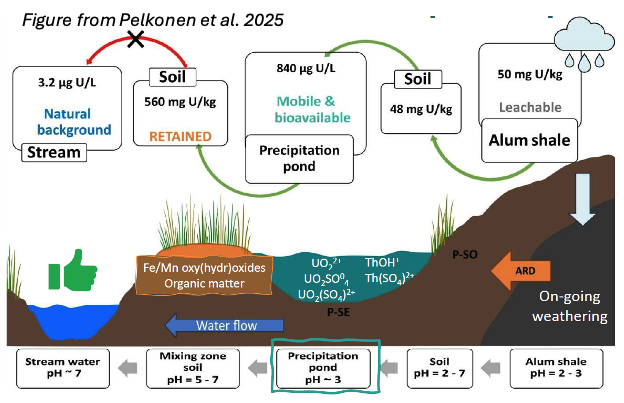
RadoNorm’s environmental protection work has yielded significant advances in understanding the mobility and impact of naturally occurring radioactive materials (NORM), especially in areas affected by mining and legacy contamination.
A central achievement is the development of a model for radium migration in soil, which identifies key parameters influencing the movement of radium and enables the prediction of sorption and desorption processes across different soil compartments. This model offers critical insight for environmental risk assessment, especially in areas with varying physico-chemical soil properties (Serra-Ventura et al. 2024).
Parallel investigations into uranium mobility have highlighted the importance of site-specific conditions. At alum shale sites in Norway, factors affecting uranium transport were systematically explored (Pelkonen et al. 2025), while research into symbiotic interactions between plants and bacteria demonstrated their influence on uranium behaviour in soil (Galeone et al. 2024). These findings, particularly from Galeone et al., are directly applicable to phytoremediation strategies, where native plant-bacteria systems can be harnessed for sustainable environmental cleanup.
RadoNorm also extended environmental modelling into forest ecosystems, simulating radon migration through soil layers (Vives i Batlle 2025). In addition, the combined effects of ionising radiation and chemical pollutants on wildlife populations were modelled, offering a comprehensive view of ecosystem-level risk (Vives i Batlle 2025).
Another notable contribution is the demonstration that native microbial populations can be stimulated to immobilise uranium in contaminated mine water, suggesting a promising bioremediation approach for legacy NORM sites (Newman-Portela et al. 2024).
Together, these efforts improve risk assessments for non-human biota, particularly in regions where mining is ongoing or planned (e.g. in Norway), and lay the foundation for more feasible and ecologically sound remediation strategies for contaminated environments across Europe.
NORM management
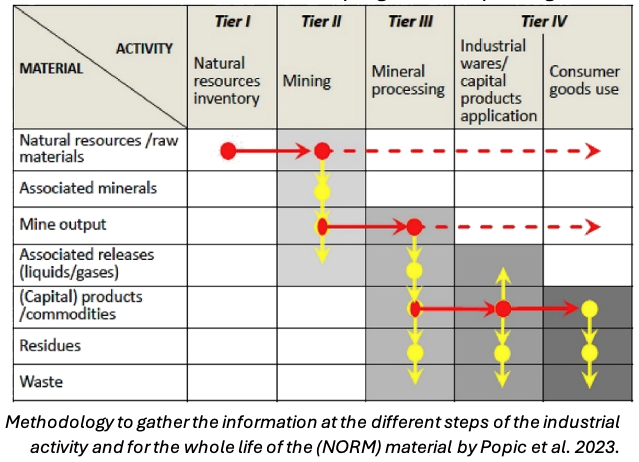
RadoNorm has made substantial progress in improving the management of NORM by developing systematic tools for risk assessment throughout the industrial lifecycle of these materials (Michalik et al., 2023; Mrdakovic Popic et al., 2023). A key achievement includes the creation of open NORM activity registers, which help industries identify and assess potential radiological risks at various stages, from raw material extraction to product use and waste disposal. The registers, now available via the RadoNorm website, offer a structured approach to track exposure risks and facilitate regulatory oversight.

As the principles of the circular economy increasingly shape industrial and environmental practices across sectors, the project also addressed the reuse of NORM-containing materials, such as sludge from groundwater filtration facilities, which can be repurposed in agriculture. New screening levels based on dose criteria (e.g., 1 mSv/year or 0.3 mSv/year) were proposed for evaluating whether such sludge can be safely used as fertiliser, especially in scenarios not currently covered by existing guidelines (Venoso et al., 2023). This enables more informed decisions about recycling NORM materials while protecting public and environmental health.
Furthermore, RadoNorm developed a tiered framework (from natural resource inventory to consumer use) for tracking and evaluating NORM across the full lifecycle of industrial operations. This methodology provides a clearer picture of how radiation risks evolve and accumulate across production chains, enhancing the governance of NORM in sectors like mining, water treatment, and agriculture.
The advancements in NORM management knowledge lead to more precise risk assessments and support the development of better-targeted legislation, ensuring NORM is handled, processed, and reused responsibly and in compliance with radiological protection standards.
Stakeholder perceptions governing NORM use
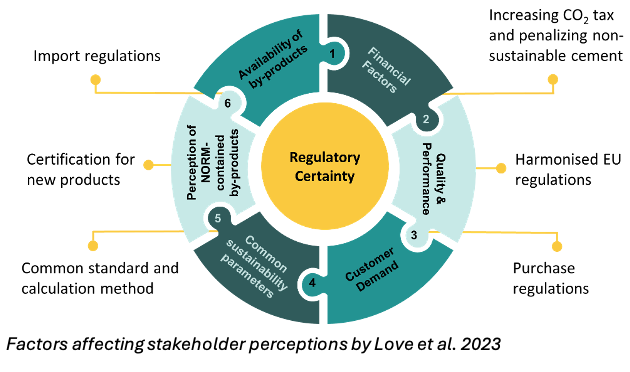
As part of integrating Social Sciences and Humanities (SSH) activities, RadoNorm has investigated stakeholder perceptions surrounding the use of NORM-containing by-products, particularly in the cement and construction industries. The goal was to understand the barriers and enablers to integrating alternative materials derived from NORM into industrial processes that support a circular economy.
Research involving both industrial professionals and end-users revealed a range of influential factors. Key motivators for NORM material use include regulatory certainty, customer demand, quality and performance assurance, and financial incentives, such as CO₂ taxation schemes favouring sustainable materials (Love et al., 2023). However, significant concerns remain, especially regarding health risks, material performance, and economic viability. The concerns vary from country to country, reflecting diverse regulatory frameworks and market readiness for the adoption of NORM-containing materials (Love et al. 2025)
A conceptual framework developed by the project outlines how these issues interlink, highlighting the importance of harmonised EU regulations, common sustainability parameters, and transparent certification mechanisms for new NORM-based products.
A critical insight from the evaluation of stakeholder perceptions of NORM is the strong need for clear, standardised communication and guidance on the safe use of NORM by-products. Public and industry perceptions around radiation safety must be addressed to gain trust and improve uptake. These findings directly contribute to:
- Promoting a more robust governance structure for NORM-containing products,
- Supporting carbon footprint reduction in the construction industry, and
- Advancing more circular, resource-efficient practices within NORM sectors.
The insights developed during the RadoNorm project strengthen the link between technological innovation and societal acceptance, laying the groundwork for sustainable and regulated integration of NORM in mainstream industrial applications.
Prospects for radon research
Future radon research in the nuclear and environmental health fields must address a complex array of scientific, technical, and regulatory challenges, all aimed at better understanding and mitigating its risks to human and ecological health.
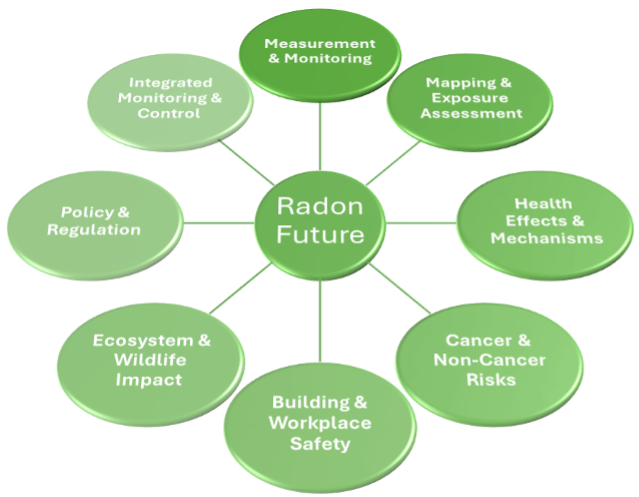
One of the foremost priorities is improving measurement and monitoring systems. This includes setting benchmarking standards for radon detectors, refining calibration and testing methods, and enhancing techniques for thoron and its progeny. Special attention is being given to workplaces where conventional models fail to predict radon progeny concentrations, necessitating the development of new approaches to accurately measure attached fractions.
Efforts in mapping and exposure assessment are equally critical, focusing on updating radon-prone area maps by leveraging national indoor radon databases and geological risk models. These updates also call for more inclusive national surveys that factor in thoron exposure and radon exhalation from buildings. Simultaneously, health effects and mechanisms research are deepening our understanding of how radon and thoron impact organs such as the lungs, bronchi, and kidneys over the long term. This involves refining biokinetic and dosimetric models and investigating biological mechanisms, particularly those involving the immune system, metabolism, and epigenetic changes.
Another important frontier lies in examining cancer and non-cancer risks. Researchers are probing connections between radon exposure and various cancers, including lymphoma, stomach, liver, skin, and breast cancer, as well as non-cancer outcomes like cardiovascular disease. The interplay between radon and lifestyle factors such as smoking and vaping is of increasing interest, especially in the context of precision medicine and the development of targeted therapies.
On the building and workplace safety front, efforts are being made to implement standardised radon barriers and engage professionals through training and strategic tools that enhance mitigation. In terms of ecosystem and wildlife impacts, radon’s influence at a macroscopic level is being modelled, with validation through targeted field studies. These findings contribute to a broader understanding of how radon affects biodiversity and environmental health.
At the policy level, regulation and coordination are being aligned with major EU initiatives like the “EU Beating Cancer Plan”, indoor air quality programs, and the EU Bauhaus movement. Ethical research supports these efforts by assessing policy impacts and ensuring robust data protection practices. Finally, a significant long-term objective is the establishment of integrated monitoring and control systems. These would simultaneously track radon and other Naturally Occurring Radioactive substances in occupational settings, ensuring a comprehensive approach to radiation safety.
All open radon challenges together underscore the need for multidisciplinary collaboration, technological innovation, and policy alignment to ensure effective radon risk reduction across diverse settings.
Prospects for NORM research
Future research into NORM faces a wide range of interlinked challenges, spanning technical, environmental, social, and ethical dimensions.
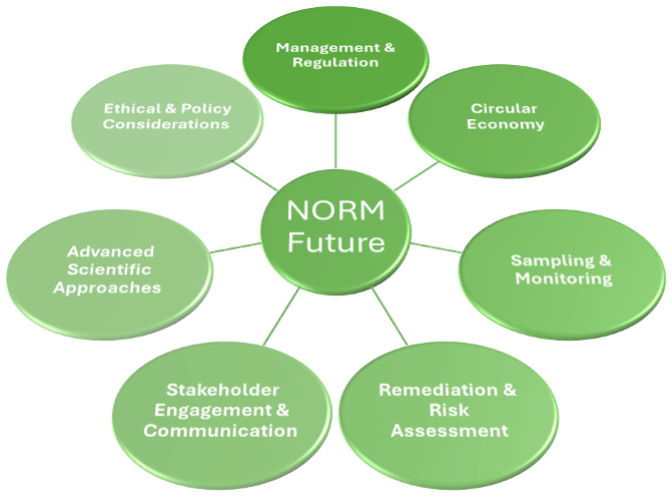
One of the central priorities is improving management and regulation strategies for liquid NORM under diverse exposure scenarios and ecological conditions. This includes aligning hazard management with occupational health and safety systems while developing science-based clearance level guidelines informed by Life Cycle Assessment (LCA) methodologies.
Through the circular economy paradigm, researchers are tasked with finding ways to repurpose NORM-containing materials (e.g., in agriculture and construction) in line with zero-waste and environmental goals, all while gauging and enhancing public and industrial acceptance of such practices. At the same time, sampling and monitoring protocols must evolve. Efforts are underway to refine guidance for sampling and characterisation, create reliable reference materials, and develop cost-efficient monitoring solutions that better capture the transport and impact of NORM in the environment.
The remediation and risk assessment sphere demands innovative and economical strategies, including the use of bioremediation, tailored approaches for rare earth element recovery, and more precise risk assessment tools that incorporate long-term exposure and dosimetry. Equally important is stakeholder engagement and communication, which focuses on making field studies more accessible to the local public, improving the communication of health risks, and contributing to the validation of predictive radioecological models.
In parallel, advanced scientific approaches are being explored to address the complexity of NORM impacts. These include the integration of toxicokinetic-toxicodynamic modelling, artificial intelligence, and adverse outcome pathways to analyse the effects of mixed contaminants. Finally, ethical and policy considerations require sustained attention. This involves conducting research to evaluate the societal impacts of policies, ensuring transparent data availability, and complying with EU open science and data protection standards.
Non-resolved challenges addressing NORM emphasise the need for interdisciplinary collaboration, innovative methodologies, and proactive stakeholder involvement to ensure responsible and effective management of NORM in the evolving nuclear landscape.